
Several studies have found that acamprosate effectively helps people reduce alcohol use, even after the medication is stopped. However, this timing and dosage might make it difficult to take properly, lowering its effectiveness. So, how do you know if what is alcoholism you should try the Sinclair Method (and naltrexone)? If we’re interested in trying it, it’s important to talk to a doctor first. They can help us assess our current drinking behavior, medical history, and treatment goals. Many people use TSM to reduce drinking gradually until they naturally reach abstinence.
- However, this process takes several months or longer, and the long-term use of naltrexone is necessary to ensure that the reduction in cravings is sustained.
- Understanding that naltrexone is not merely a crutch but an integral part of a comprehensive treatment strategy can motivate individuals to remain committed to their medication schedule.
- Many doctors who do not specialize in addiction medicine are unaware that naltrexone can be used as a treatment for alcohol addiction, including for moderation.
- Suboxone should not be taken by individuals who have been shown to be hypersensitive to buprenorphine or naloxone as serious adverse reactions, including anaphylactic shock, have been reported.
- By using medication as a tool, individuals can make conscious decisions about their alcohol consumption rather than being driven by cravings.
Black Sheep and Drug Addiction
Another consideration is that naltrexone can precipitate withdrawal symptoms in individuals who are physically dependent on opioids or who have recently consumed opioids. Therefore, it is essential for healthcare providers to conduct thorough assessments before prescribing naltrexone as part of the Sinclair Method. Therefore, fostering a strong commitment to medication adherence is paramount for individuals seeking recovery through this approach.

If opioid misuse is also in the picture, more specialized or integrated approaches may be required. Expected TimelineSome see results within a few weeks, noticing they stop earlier or find themselves less fixated on that next drink. Others require months of consistent usage, especially those with many years of heavy or daily drinking behind them. Patience is essential, as the brain’s unlearning of deeply ingrained patterns does not happen overnight.
Screen-reader and keyboard navigation
The liver is the only organ in the body that has been shown to regenerate itself and often will respond to a comprehensive Naturopathic liver support program. Most people on TSM will notice a significant decrease within a few weeks. The most important thing is to always take the pill before drinking and to track your results. For most TSM patients, it took years to develop their addiction and may take many months to get it under control. Naltrexone blocks the effects of all opiate based pain medications (Vicodin, Percocet, hydrocodone, oxycodone, Fentanyl, Buprenorphine, etc) and heroin.
Introduction: Understanding Your Options
This is the approximate length of time it takes for naltrexone to become active in your system. It’s important to note that many patients who use naltrexone daily, instead of the Sinclair Method, also choose to take their naltrexone pill before their usual drinking time. Regardless of whether you’re using the Sinclair Method or daily naltrexone dosing, it’s important to check in with a physician to discuss your progress and ensure your safety.
Potential Benefits of TSM for Alcohol Dependence
- Kranzler, H. R., Tennen, H., Armeli, S., Chan, G., Covault, J., Arias, A., & Oncken, C.
- If you feel that The Sinclair Method may be right for you, I encourage you to do some more research and speak with a physician who can answer any questions.
- Connect with peers on the same TSM journey and get support from experienced coaches.
Et al. 2022, titled “Use of Naltrexone in Internet Gaming Disorder.” These applications require different dosing or strategies and have not been as extensively studied. Ongoing research is exploring its broader use, but for now, TSM is primarily validated for alcohol use disorder. Naltrexone is effective because it blocks the pleasurable feelings people have when consuming alcohol. Because drinking is less rewarding and reinforcing, it becomes easier for people to limit their alcohol consumption and reduce their alcohol cravings. If someone uses naltrexone consistently whenever they drink, over time, they can stop their excessive thoughts about alcohol and free themselves from the symptoms of their addiction.
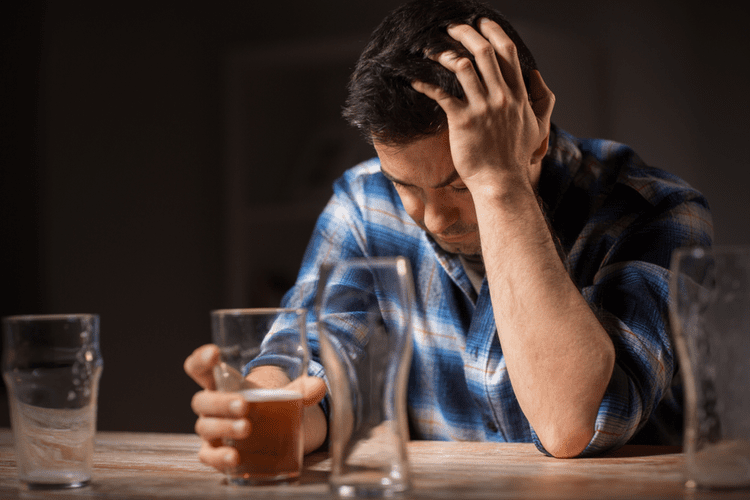
The method is used when patients want increased control over problematic drinking patterns. It may be best for those with mild or moderate alcohol disorders (which can be termed “pre-addiction”), rather than those with a severe, late-stage addiction. Research suggests that the Sinclair Method can be very effective in helping people reduce their drinking. According to research, the use of naltrexone to treat alcohol use disorder can have a 78% efficacy rate. It acts as an “opioid antagonist” — a substance that Sinclair method obstructs the opioid receptors in the brain, essentially blocking the euphoric effects and feelings of intoxication. While topiramate is not FDA-approved for alcohol-use disorder, studies have suggested that it can reduce alcohol cravings and withdrawal symptoms.

In contrast, TSM 2.0 believes that redosing may be necessary for some individuals, especially those drinking over extended periods. Over time old associations are broken down https://mediateka.ckzamek.pl/15-best-ways-to-stop-drinking-alcohol-what-to-2/ and a new relationship with alcohol forms. Patients are often asked to track alcohol usage and may also participate in therapy to work on learning coping skills or address underlying psychological or psychosocial issues. However, some doctors also use it to treat alcohol use disorder (AUD), as it helps rebalance chemicals in the brain and correct the electrical activity of brain cells. What starts as a seemingly innocent habit of drinking a glass or two of wine after a stressful day can spiral into a dependence on alcohol to function. While it might not seem all that problematic in the beginning, our mental, emotional and physical health often suffer as we consume more alcohol — and the longer we consume it.
The benefits of the Sinclair Method include reduced alcohol cravings, a flexible approach to drinking, and the potential for long-term recovery. The method is designed to gradually recondition the brain’s response to alcohol by blocking the rewarding effects of drinking, which significantly reduces cravings over time. This approach offers a unique advantage by allowing individuals to drink in moderation rather than requiring immediate and complete abstinence. The individuals who can benefit from the Sinclair Method include people with alcohol dependence.
Serious adverse events are uncommon but can happen, such as liver enzyme elevations when used in very high doses. Typically, the recommended daily or targeted dose for TSM is within a safe range. Still, it’s essential to check for liver function and any opioid medication use—because naltrexone can also precipitate withdrawal in individuals on opioids for pain or in active opioid addiction. As a result, many people may justify or rationalize against taking naltrexone. It may only take one or two experiences of heavy drinking to reinforce the pleasurable effects.
Moral and Cultural StigmaCertain communities or organizations only trust total abstinence. They may see TSM’s allowance of continued drinking as “enabling.” This cultural pushback can hamper acceptance or create friction if the user’s family expects immediate zero alcohol. Ongoing support from healthcare providers, support groups, or counseling can be beneficial. Regular check-ins can help you stay on track and address any challenges that may arise.